The Water Cycle Is Broken: How Cities Disrupt Nature’s Flow
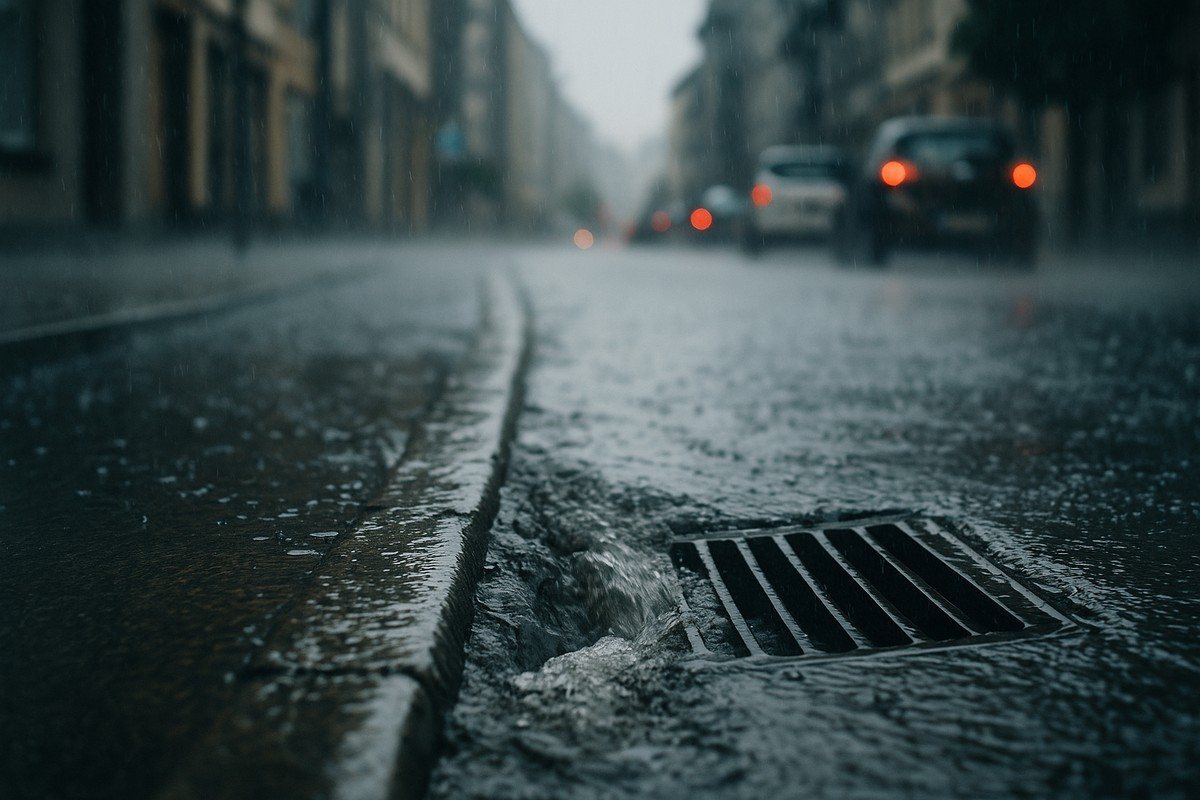
When rain falls on a forest, it filters into the soil, nourishes aquifers, and eventually recharges rivers. When rain falls on a city, it often races across pavement, floods streets, and carries pollution straight into waterways.
Modern urban life has broken the natural water cycle, and stormwater is at the center of the story.
The Natural Water Cycle: Before Cities
-
Rain infiltrates soil, replenishing groundwater and streams
-
Wetlands act as natural sponges, storing water during floods and slowly releasing it
-
Plants help regulate evaporation and transpiration
How Urbanization Disrupts the Cycle
-
Impervious surfaces (roads, rooftops, parking lots) block infiltration
-
Rain is diverted into drains, pipes, and channels instead of the ground
-
Groundwater fails to recharge → rivers run lower during dry months
-
Pollution from streets (oil, litter, chemicals) is carried downstream
The Global Scale of Stormwater Problems
-
Flooding: Cities from Houston to Mumbai are experiencing more frequent, devastating floods
-
Water quality decline: Stormwater is now one of the fastest-growing sources of water pollution
-
Climate change multiplier: Heavier rainfall events make city systems even more vulnerable
Reconnecting Cities to the Water Cycle
Solutions are emerging that mimic natural processes:
-
Green infrastructure: Rain gardens, bioswales, permeable pavements
-
Urban wetlands: Restored floodplains reduce risk and increase biodiversity
-
Water reuse: Capturing stormwater for irrigation or recharge
-
Integrated planning: Cities combining stormwater, drinking water, and wastewater strategies
Key Takeaways
-
The natural water cycle is disrupted by urban development
-
Stormwater carries both flood risk and pollution risk
-
Restoring balance requires cities to mimic nature’s design