Why Water Utilities Are Cyberattack Targets and What Operators Can Do
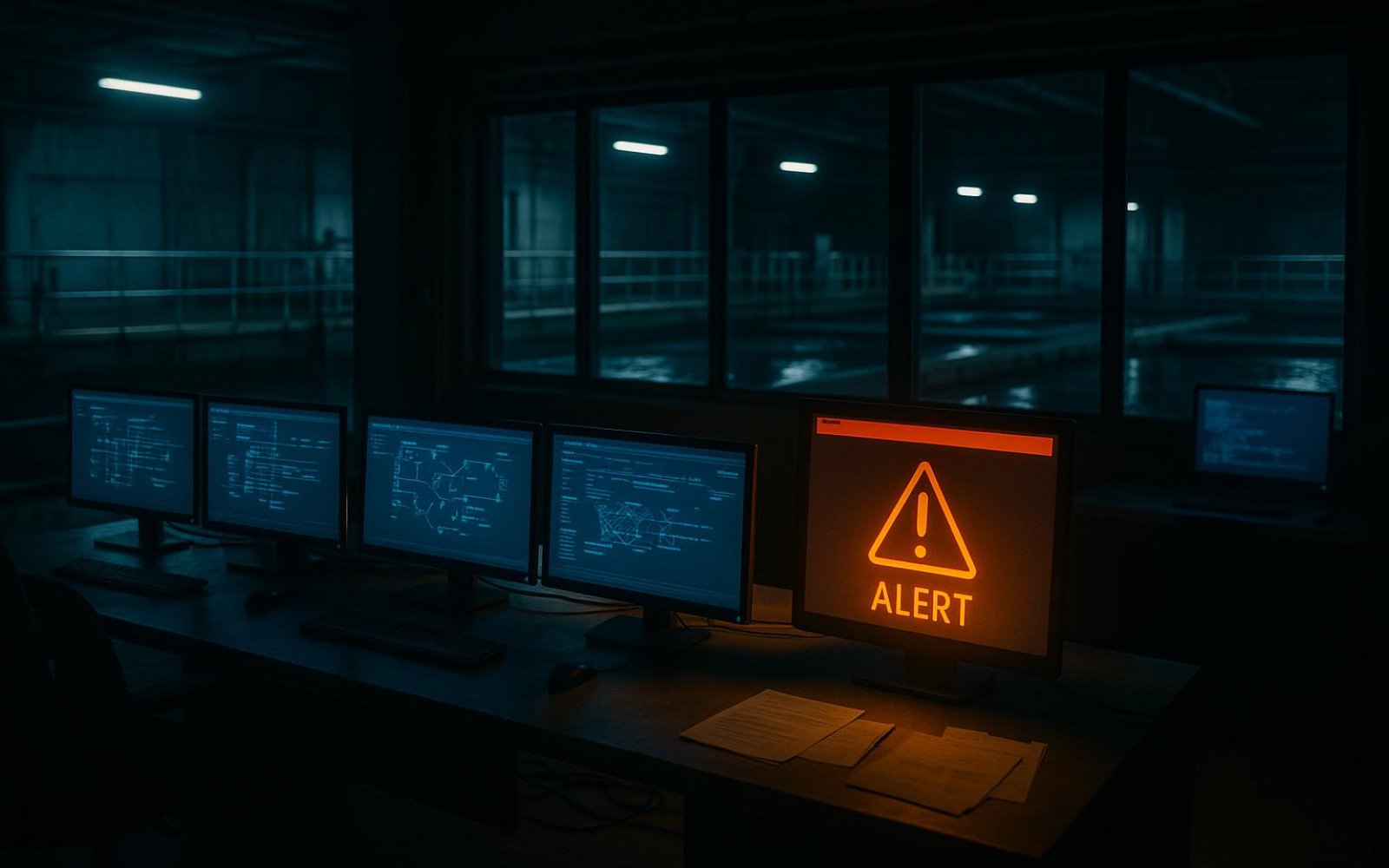
October has long been recognized as Cybersecurity Awareness Month, but in recent years, the term "Black October" has emerged to describe a disturbing pattern: a surge in cyberattacks targeting critical infrastructure during this particular month.
For the water and wastewater industry, this isn't just an IT problem. It's an operational, regulatory, and public safety issue that reaches into every corner of how we deliver and protect essential services.
Why October?
The concentration of cyber incidents in October isn't purely coincidental. Threat actors often time campaigns to exploit seasonal vulnerabilities: budget cycles ending, staff transitions, and the simple fact that heightened awareness can paradoxically draw attention to weak points in defenses.
Critical infrastructure sectors, including water utilities, have become increasingly attractive targets. Systems that were once air-gapped and isolated are now connected to remote monitoring networks, cloud-based SCADA platforms, and integrated operational technology that blurs the line between convenience and vulnerability.
What Makes Water Systems Vulnerable
Water and wastewater systems face unique challenges when it comes to cybersecurity:
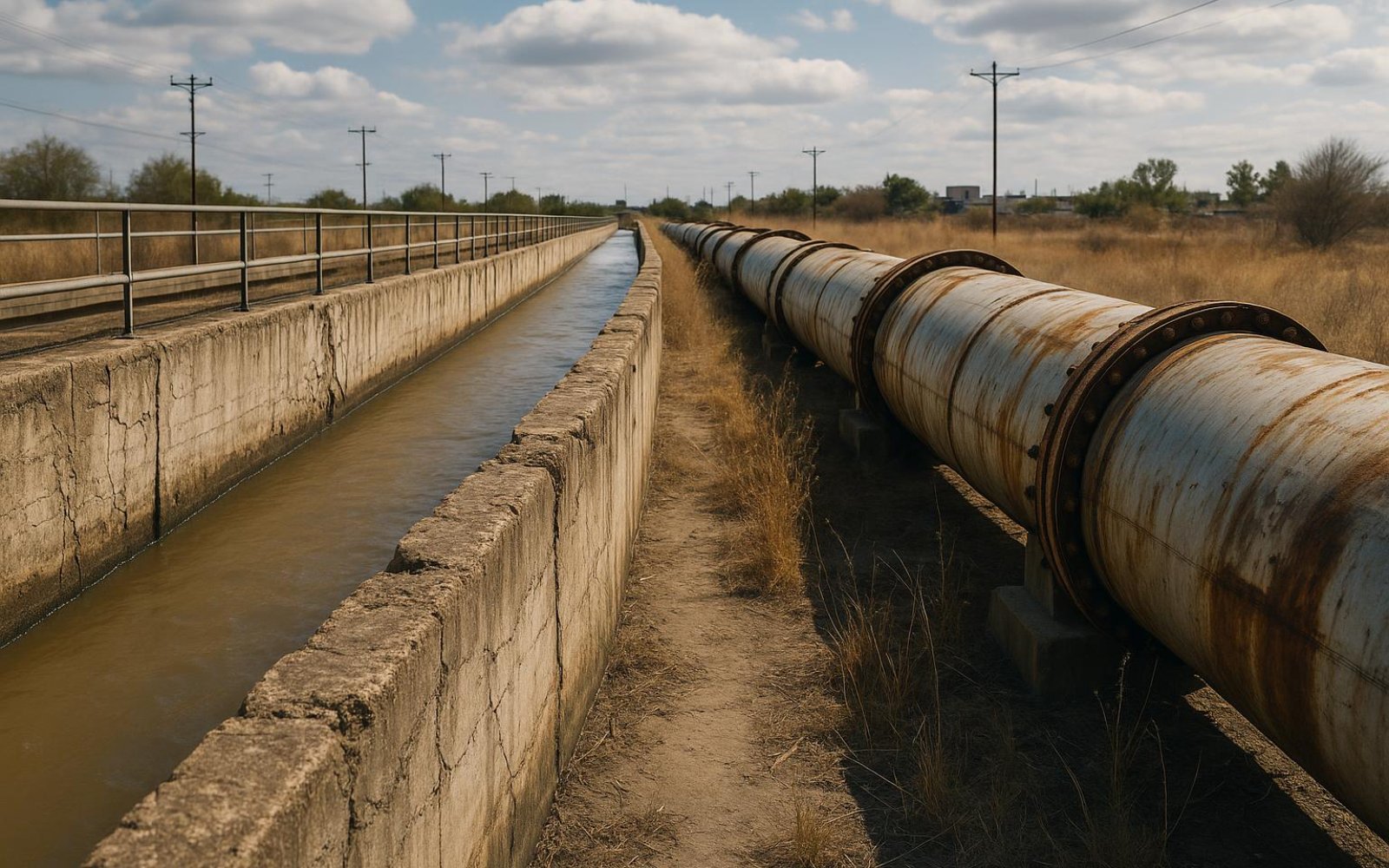
Aging infrastructure with legacy control systems never designed for internet connectivity
Limited IT budgets and staff, especially in small and rural systems
Operational technology (OT) networks that prioritize uptime over security patches
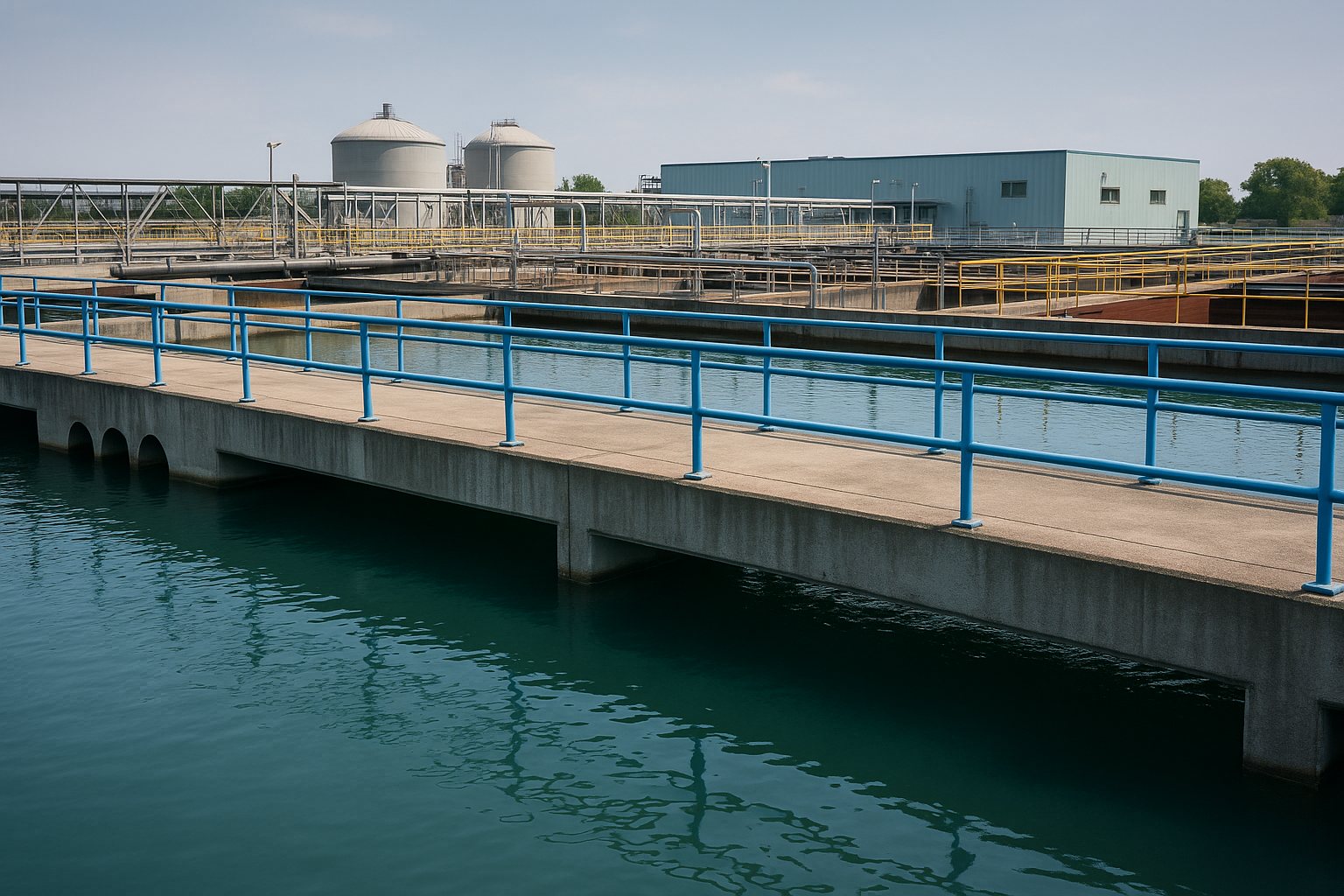
Distributed assets across wide geographic areas, from remote lift stations to isolated well sites
Increasing reliance on remote access for monitoring and control
Many utilities operate with the assumption that obscurity offers protection. But in an era where ransomware groups actively scan for exposed HMI panels and unpatched PLCs, invisibility is no longer a defense.
The Real-World Consequences
A successful cyberattack on a water system isn't just about stolen data or ransom payments. It can mean:
Loss of operational control over treatment processes, chemical dosing, or distribution pressure
Disruption of safe water delivery, potentially triggering boil water notices or service outages
Compromised water quality data that obscures compliance violations or contaminant events
Erosion of public trust in an industry already navigating skepticism and scrutiny
When the public loses confidence in the safety of their tap water, the damage extends far beyond the incident itself. Trust is built over decades and can vanish in hours.
Lessons from Black October for Water Operators
The recurring pattern of October attacks offers clear takeaways for water utilities of all sizes:
Segment your networks. Keep operational technology separate from business IT systems. Air gaps still matter, and when remote access is necessary, it should be tightly controlled with multi-factor authentication and logging.
Know your assets. You can't protect what you don't know exists. Document every HMI, PLC, SCADA node, and remote access point. Map the connections, understand the dependencies, and eliminate unnecessary exposure.
Patch what you can, compensate where you can't. Legacy systems may not support modern security updates, but compensating controls like network monitoring, intrusion detection, and physical security can reduce risk.
Train your team. Phishing emails and social engineering remain the most common entry points for attackers. Operators and admin staff alike need to recognize threats and know how to respond.
Have an incident response plan. When, not if, an incident occurs, the first 30 minutes determine whether it's a contained event or a catastrophic failure. Plans should include roles, communication protocols, and continuity measures for manual operations.
A Culture of Cyber Resilience
Black October is a reminder that cybersecurity isn't a one-time checkbox. It's an ongoing discipline that requires vigilance, investment, and cultural change.
For water systems, resilience means building defenses that layer technology, training, and process. It means treating cyber risk with the same rigor as microbial contamination or chemical safety. And it means recognizing that the operators who keep water flowing are now also on the front lines of digital defense.
The threats are real, but so are the solutions. With the right mindset and support, even small systems can build meaningful resilience against the challenges that Black October represents.